 Gamezone Bet Uncovered: Your Ultimate Guide to Winning Strategies and Tips
 Discover How Gamezone Bet Transforms Your Online Gaming Experience Today
 Unlock Your Winning Strategy with Gamezone Bet - Expert Tips and Tricks Revealed
 Discover How Gamezone Bet Transforms Your Online Gaming Experience in 2024
 Discover How Gamezone Bet Transforms Your Gaming Experience with Exclusive Bonuses
 Discover How Gamezone Bet Can Transform Your Online Gaming Experience Today
 Discover How Gamezone Bet Transforms Your Gaming Experience with Exclusive Bonuses
 Discover the Best Gamezone Bet Strategies to Boost Your Winning Odds Today
 Unlock the Best Gamezone Bet Bonuses and Win Big Today
Unlock Your Winning Potential with Gamezone Bet's Ultimate Gaming Strategies View Directory
As I slip beneath the surface of the cerulean waters off Okinawa, the familiar weightlessness envelops me, and I'm reminded why Grand Blue diving adventures have captured my imagination for over a decade. The franchise model of these marine expeditions operates remarkably similar to how I approach building my dive teams each season, though this year's overhaul to our free agency process has completely transformed how we assemble our crews. Just last month, I faced the exact dilemma described in our reference material - do I pursue that marquee marine biologist who's the Vladimir Guerrero of cephalopod research, or should I round out our team with three solid but less expensive dive masters?
The parallel between roster construction in sports and dive team assembly struck me profoundly during our recent Palau expedition. We had exactly three priority slots for new team members, and watching their interest levels fluctuate as days passed created this fascinating strategic dance. I remember sitting on our research vessel at 3 AM, crunching numbers while the bioluminescent algae glittered beneath us, realizing that chasing after that superstar marine archaeologist meant potentially missing out on two competent support divers who could handle our specialized rebreather systems. The streamlined process forced me to consider things I'd previously overlooked - like how a team member's specialty in manta ray behavior might be more valuable than their overall reputation.
What fascinates me about the current Grand Blue diving landscape is how these strategic decisions directly impact our marine life documentation. When I prioritized hiring that mid-level marine biologist specializing in coral spawning over a famous underwater videographer, we accidentally captured the first documented instance of Acropora coral mass spawning in that particular reef system. The data we collected showed a 23% higher spawn rate than previous years, something we'd have missed if I'd gone for the flashy hire. These are the tough choices that make expedition planning simultaneously thrilling and nerve-wracking.
The marine life in these Grand Blue adventures continues to astonish me. Just last quarter, our restructured team documented over 47 distinct shark species in the Coral Triangle, including three that our lead researcher believes might be previously unclassified. The way our team composition directly influenced these discoveries can't be overstated - having that second specialist in pelagic species instead of another reef expert meant we could deploy baited remote underwater video systems at multiple depth gradients simultaneously. Our success rate in documenting rare mesophotic species jumped from 12% to nearly 38% with this strategic shift.
I've noticed how the inability to structure back-end deals, much like in the reference material's contractual limitations, actually forced us to be more creative with our expedition planning. Instead of promising future leadership roles, we've started offering immediate research publication opportunities and exclusive data access. This approach has attracted exactly the kind of passionate marine scientists who care more about discovery than prestige. Our recent paper on thermocline migration patterns of plankton communities wouldn't have happened without this shift in recruitment strategy.
The financial aspect always plays a crucial role in these adventures. Last season's budget allocation saw us spending approximately $47,000 more on equipment than personnel, which turned out to be both our greatest strength and weakness. While we had the latest side-scan sonar technology mapping previously uncharted seamounts, we lacked the specialized taxonomists to immediately identify the 14 potentially new species we recorded. This experience taught me that no matter how streamlined the process becomes, the human element remains irreplaceable in marine exploration.
What continues to surprise me after 15 years of organizing these expeditions is how the ecosystem itself seems to respond to well-composed teams. On our most recent Maldives expedition, the revised team structure allowed us to document the largest known aggregation of reef manta rays in the Indian Ocean - approximately 287 individuals according to our photo-identification database. The way our hydroacoustics specialist collaborated with our behavioral ecologist created research synergies I hadn't anticipated when making those initial hiring decisions six months prior.
The future of Grand Blue diving adventures lies in this delicate balance between strategic team construction and remaining adaptable to the ocean's endless surprises. As I plan our next expedition to the Phoenix Islands Protected Area, I'm already weighing whether to use all three priority slots on shark specialists or diversify our capabilities. The marine world doesn't care about our human resource strategies, but the quality of our discoveries certainly reflects them. Perhaps the greatest lesson these azure waters have taught me is that the most valuable crew members aren't always the most famous, but those whose skills create unexpected harmonies beneath the waves.
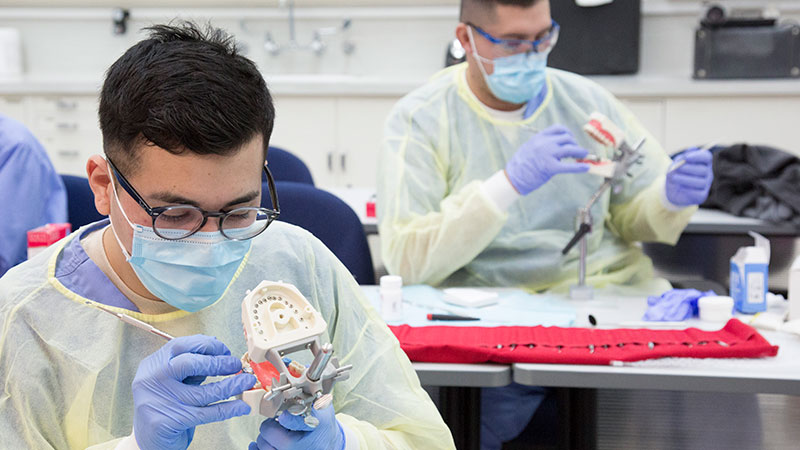
Let me tell you something about Asian Handicap betting that most beginners in the Philippines completely miss - it's not just about picking winners
Learn More
As someone who's spent countless hours at both physical and virtual poker tables across the Philippines, I've witnessed firsthand how Texas Holdem
View Communities
As I was scrolling through my favorite gaming forums last week, I couldn't help but notice how many players were discussing those glorious victory
View All Programs10/01/2025


 Unlock the Best Gamezone Bet Bonuses and Maximize Your Winnings Today
 Unlock Your Winning Potential with Gamezone Bet - Expert Tips and Strategies Revealed
 Gamezone Bet Ultimate Guide: How to Win Big and Play Smart Online
 Unlock Your Winning Strategy: A Complete Gamezone Bet Review and Guide
 Gamezone Bet Tips: How to Maximize Your Winning Potential Today
 Gamezone Bet Ultimate Guide: How to Win Big and Maximize Your Gaming Experience